Localization Breast Surgery
What Is a “Localization” Lumpectomy?
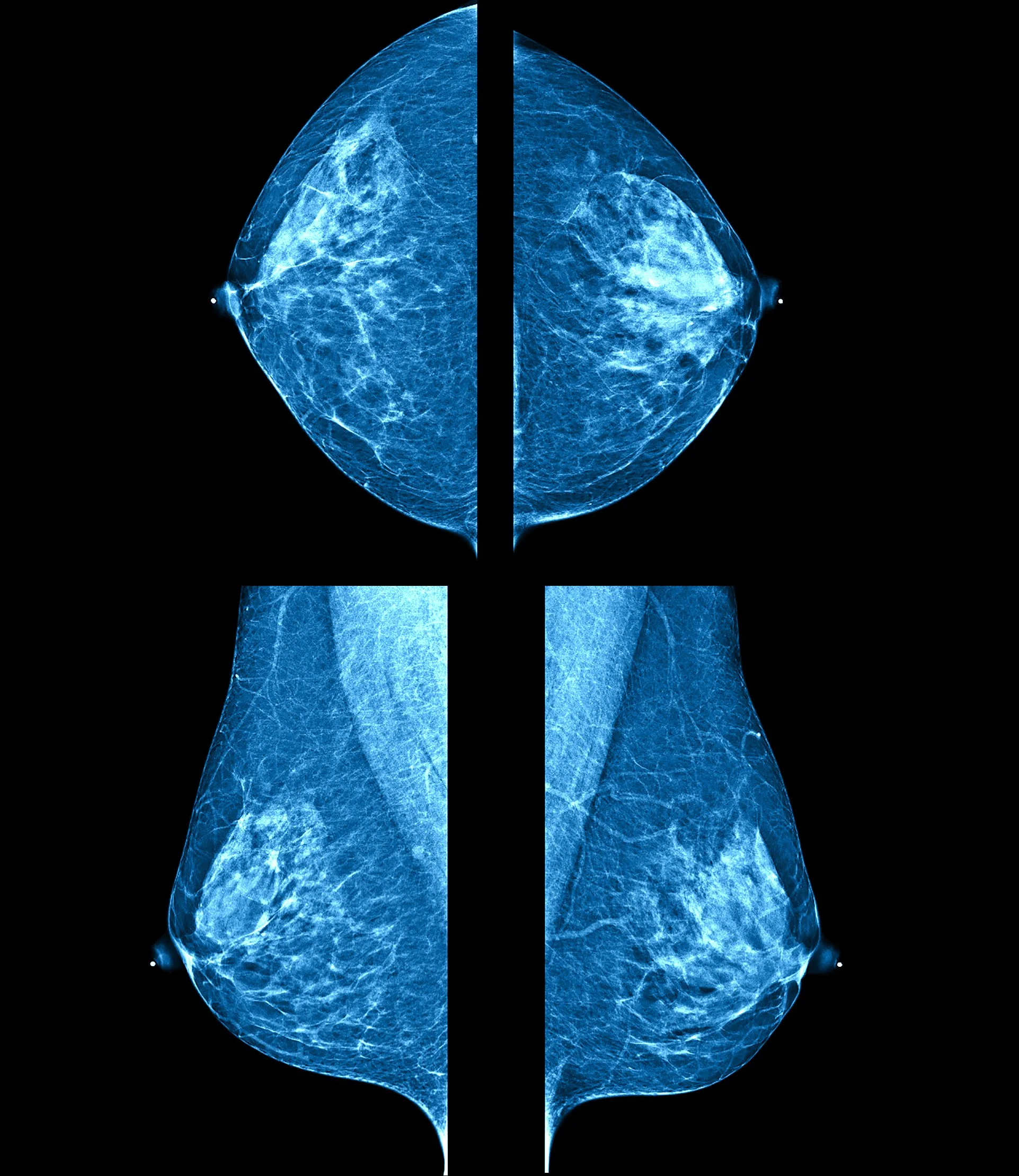
A localization lumpectomy is a modern approach to breast‑conserving surgery used when a breast abnormality cannot be felt on exam and is only visible on imaging, such as a mammogram, ultrasound, or MRI.
A small surgical marker is placed into the area of concern ahead of time by a Radiologist using ultrasound or mammogram imaging guidance. During surgery, this marker helps your surgeon precisely locate and remove the targeted tissue while preserving as much healthy breast tissue as possible.
I had a marker placed at the time of biopsy. How is a Surgical Marker Different from a Breast Biopsy Marker?
Although both markers are small and placed in the breast, breast biopsy markers and surgical markers serve different purposes and are used at different stages of care.
A breast biopsy marker (often called a “clip”) is placed at the time of a breast biopsy. Its purpose is to:
Mark the exact spot where tissue was sampled
Confirm the location of the biopsy site on future imaging
Help guide follow‑up care or treatment planning
A surgical marker is placed specifically to guide surgery. Its purpose is to:
Help the surgeon precisely locate the area that needs to be removed
Guide accurate removal of the targeted tissue during surgery
surgical markers are not placed at the time of breast biopsy as 2/3 of breast biopsies will not need surgery
Benefits of Localization
Precise targeting of the area being removed
Flexibility in scheduling, since placement can occur before the day of surgery
A streamlined experience on the day of surgery
Is Localization Safe?
Yes. localization techniques are widely used and supported by clinical experience. As with all procedures, your care team will review the risks and benefits and determine whether this approach is appropriate for your specific situation.
Is This Approach Right for Everyone?
Not every patient or breast finding is suited for non‑wire localization. The choice depends on imaging findings, breast anatomy, and clinical factors. Your surgeon and radiology team will recommend the localization method that is safest and most effective for you.